
Introduction to Assimilation
Assimilasjon is a term that frequently crops up in discussions about culture, identity, and society. Whether it’s about immigrants blending into new landscapes or communities evolving over time, assimilation plays a crucial role in shaping our world. But what does it truly mean? How does the process unfold? And why are there so many views on its impact?
In this blog post, we will dive deep into the multifaceted concept of assimilation. From understanding its core meaning to exploring various types and real-world examples, we’ll unpack everything you need to know. Plus, we’ll address some of the challenges surrounding this complex topic.
Join us as we navigate through the intriguing world of assimilasjon!
Understanding the Meaning of Assimilation
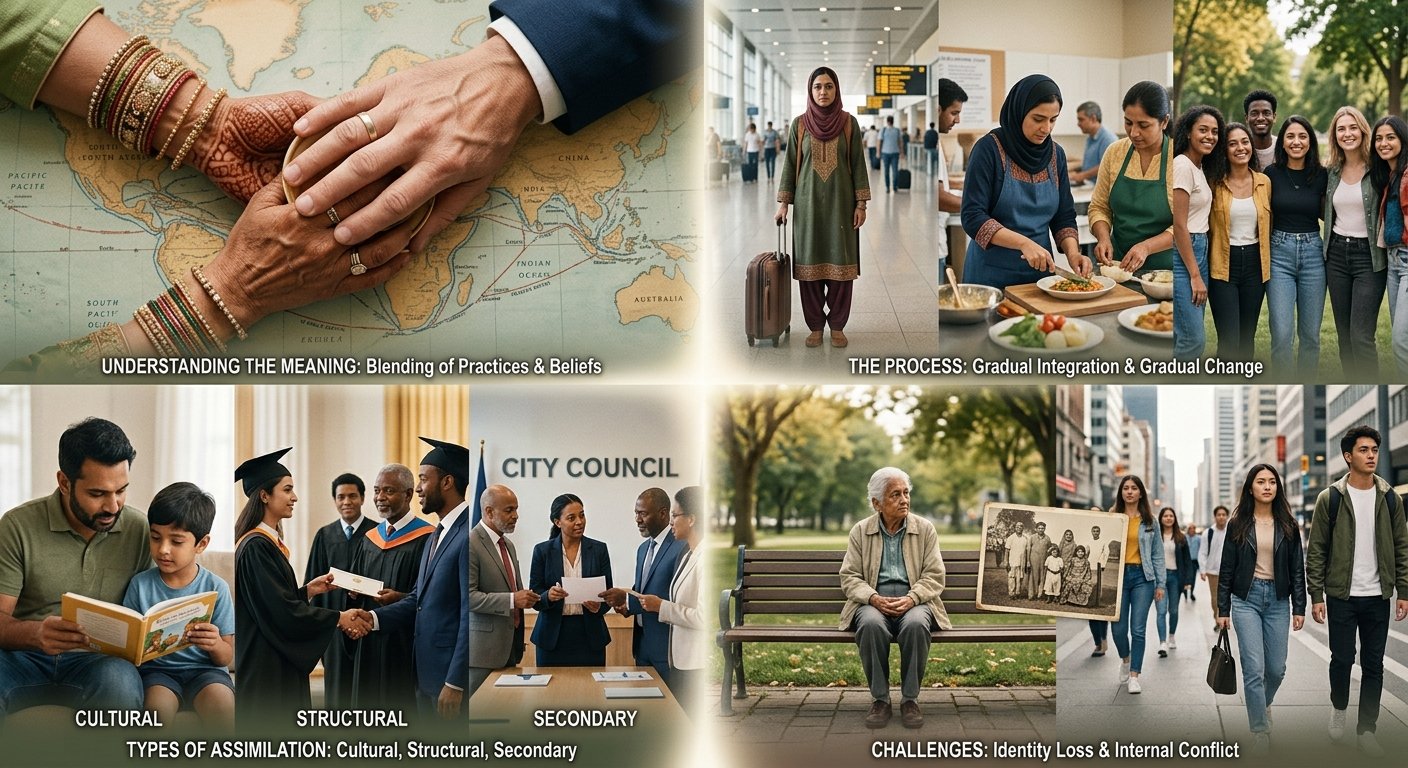
Assimilasjon refers to the process where individuals from one cultural group adopt practices and beliefs of another. This often occurs when immigrants or minority groups settle in a new region.
The essence of assimilation lies in blending into the dominant culture, which can lead to changes in language, customs, and social interactions.
Historical contexts have shaped how this concept is perceived. In some cases, it fosters unity; in others, it raises concerns about cultural erasure.
Understanding assimilation means recognizing its dual nature: while it can facilitate integration and acceptance, it may also provoke resistance from those wishing to preserve their distinct identities.
This complex dynamic highlights the tension between individual choice and societal expectations throughout history.
The Process of Assimilation
The process of assimilation involves a gradual integration of individuals or groups into the dominant culture. This journey often begins with exposure to new ideas, customs, and practices.
Initially, individuals may struggle with their identity as they adapt to unfamiliar environments. They learn the language, understand societal norms, and participate in local traditions.
Social interactions play a significant role in this transformation. Relationships with both members of the dominant culture and fellow newcomers can influence one’s experience significantly.
Over time, shared experiences foster acceptance. As newcomers adopt aspects of the dominant culture, they may also maintain elements from their original backgrounds—creating a blend that enriches both cultures.
Assimilation doesn’t happen overnight; it unfolds over years and even generations. Each person’s path is unique, shaped by personal choices and external factors like community support or discrimination.
Types of Assimilation: Cultural, Structural, and Secondary
Assimilation can be broadly categorized into three types: cultural, structural, and secondary. Each type plays a distinct role in how groups integrate and adapt within society.
Cultural assimilation occurs when individuals or groups adopt the customs, values, and norms of another culture. This often leads to a blending of practices, where unique traditions may fade while new ones emerge.
Structural assimilation involves integrating into social structures. It focuses on gaining acceptance in institutions such as schools or workplaces. This form emphasizes relationships built across different communities.
Secondary assimilation refers to achieving equal status within societal spheres like politics or economics. Here, marginalized groups gain access to resources and opportunities previously denied to them.
Each type illustrates different pathways people navigate during their journey toward integration in diverse societies. Understanding these distinctions is essential for recognizing the nuanced experiences that come with the process of assimilasjon.
Examples of Assimilation in History and Society
Assimilation has played a significant role throughout history, shaping societies in various ways. One prominent example is the assimilation of Native Americans into European-American culture during the 19th century. Policies aimed at erasing indigenous identities sought to promote Western values and lifestyles.
In Europe, the integration of immigrants post-World War II often involved cultural assimilation. Many newcomers adopted local languages and customs to blend into their new environments. This shift significantly impacted urban landscapes across cities like London and Paris.
The Japanese internment during World War II illustrates another facet of forced assimilation. Individuals were compelled to abandon their heritage in favor of loyalty to American ideals, showcasing how societal pressures can lead individuals down challenging paths.
Modern-day examples continue with multicultural nations grappling with balancing diversity while encouraging unity among different ethnic groups. Each instance reflects unique responses shaped by historical context and social dynamics.
Challenges and Controversies Surrounding Assimilation
Assimilation often sparks heated debates. Critics argue it can lead to the erasure of unique cultural identities. When minority groups adopt the dominant culture, their traditions may vanish.
Another challenge lies in societal resistance. Individuals facing assimilation pressure might struggle with feelings of isolation or alienation from their roots. This internal conflict can create a sense of loss as they navigate two worlds.
Furthermore, the concept raises ethical questions about power dynamics. Who decides what should be assimilated? The influence of privilege plays a significant role in shaping these narratives.
Some communities embrace aspects of assimilation while seeking to preserve core elements of their identity. This duality fosters resilience but also highlights ongoing tensions between integration and individuality.
The complexities surrounding assimilation reveal deep societal fractures, making it essential to approach this topic thoughtfully and respectfully.
A Complete Guide to Navigating the Assimilation Process
Navigating the assimilation process can be daunting, but it doesn’t have to be. Start by understanding your new environment. Research cultural norms and societal expectations.
Connecting with local communities is essential. Attend events, join groups, or volunteer. These interactions help you build relationships and gain insights into daily life.
Language plays a crucial role in assimilation. Invest time in learning the local language if it’s different from your own. This effort bridges gaps and fosters communication.
Flexibility is key during this journey. Be open to new experiences while retaining elements of your identity. Balance adaptation with authenticity.
Seek support through mentorship programs or community resources tailored for newcomers. Sharing experiences with others can provide guidance and reassurance as you navigate this transformative phase of life.
Conclusion
Assimilasjon plays a significant role in shaping societies and influencing individual identities. By understanding the meaning behind assimilation, its processes, and the different types that exist, we can better navigate this complex phenomenon. Historical examples illustrate how assimilation has impacted communities throughout time, showcasing both positive outcomes and challenges.
As society continues to evolve, discussions around the implications of assimilation remain vital. While it can foster unity and integration, it also raises important questions about cultural preservation and identity loss. Recognizing these nuances is essential for fostering respectful dialogues.
Navigating the path of assimilation requires awareness and sensitivity to diverse experiences. By embracing open conversations about cultural differences while striving for inclusivity, individuals can contribute to a more harmonious society. The journey through assimilation remains ongoing; each step taken shapes our social fabric in profound ways.
